


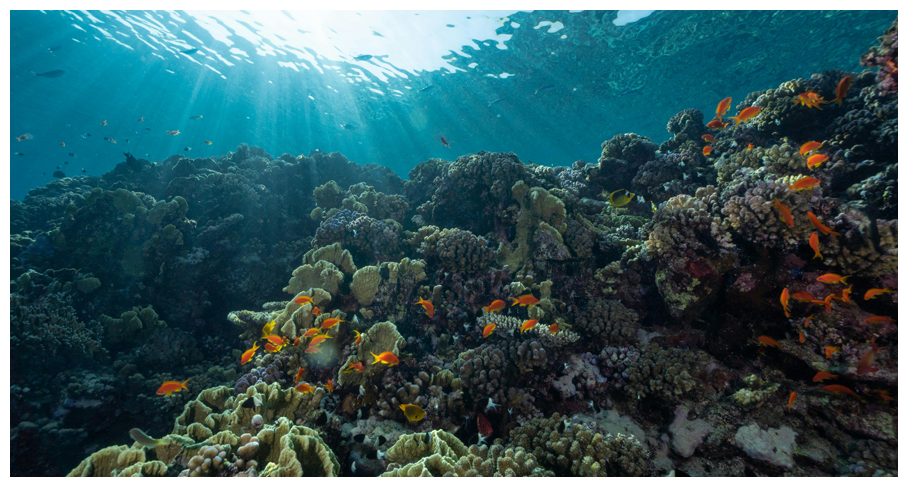
 Driving Sustainable Economic Value Across the Region: The Coral Triangle’s Blue Economy Potential and Its Alignment with CTI-CFF’s Regional Agenda
The Coral Triangle—encompassing Indonesia, Malaysia, Papua New Guinea, the Philippines, Solomon Islands, and Timor-Leste—is among the world’s most economically valuable marine regions. With unparalleled biodiversity and highly productive coastal ecosystems, it supports a wide range of industries including fisheries, aquaculture, marine tourism, coastal enterprises, and emerging blue economy sectors. These sectors collectively generate billions of dollars in annual economic value, forming a vital foundation for employment, trade, and national development across Southeast Asia and the Western Pacific.
This economic productivity depends on the long-term integrity of marine ecosystems such as coral reefs, mangroves, and seagrass meadows. Recognizing this, the Coral Triangle Initiative on Coral Reefs, Fisheries and Food Security (CTI-CFF) plays a crucial role in guiding Member Parties toward sustainable, inclusive, and climate-resilient economic development through enhanced cooperation, strengthened governance, and science-based management strategies.
Economic Values Sustained by the Coral Triangle
Fisheries remain one of the region’s most significant economic pillars. Marine resources supply primary protein to millions of people, support national seafood export industries, generate income for both small-scale and commercial fishers, and sustain diverse value chains including processing, distribution, and local markets. Coral reef–associated fisheries alone contribute tens of billions of dollars globally, with the Coral Triangle forming the core of Indo-Pacific marine productivity.
Tourism also serves as a major driver of economic growth. The region’s coral reefs, whale shark and manta ray aggregation sites, mangrove ecotourism areas, and world-class diving destinations attract millions of visitors annually. Income from tourism flows across hotels, homestays, diving operators, boat transport, hospitality services, and small-scale enterprises such as handicrafts and local markets. In several Member Parties, these tourism-linked activities represent substantial contributions to national GDP and stimulate widespread community-level economic growth.
An emerging area of economic opportunity lies in blue carbon and climate-resilient sectors. Mangroves and seagrass ecosystems store exceptionally high levels of carbon, making them central to expanding blue carbon credit markets, nature-based solutions, and climate finance initiatives. These environmental assets provide opportunities for Member Parties to develop sustainable financing mechanisms, diversify climate-adaptive livelihoods, and integrate natural capital into national development agendas.
Healthy ecosystems also function as natural coastal infrastructure. By stabilizing shorelines, controlling erosion, protecting ports and villages, and maintaining water quality for fisheries and aquaculture, they reduce the need for costly built infrastructure. The indirect economic benefits of these services significantly lower national expenditures on climate adaptation and coastal protection.
Sustainable aquaculture is another rapidly growing industry in the region. Seaweed farming, bivalve aquaculture, marine fish culture, and community-based mariculture contribute to export earnings, generate employment, and support livelihood diversification in many coastal communities. These industries continue to expand as Member Parties seek resilient and sustainable sources of economic growth.
Threats to Sustainable Economic Value
Despite its vast potential, the region faces mounting environmental and socioeconomic pressures. Coral reef degradation, mangrove loss, overfishing, illegal fishing, and coastal pollution weaken the ecosystems that underpin economic productivity. Climate-induced coral bleaching, sedimentation from land-use change, and the increasing frequency of climate-related hazards further threaten fisheries, reduce tourism appeal, and undermine coastal protection. These risks pose significant threats to long-term economic stability and the livelihoods that depend on marine resources.
Relevance to CTI-CFF’s Regional Plan of Action 2.0
The CTI-CFF Regional Plan of Action 2.0 provides a comprehensive and collaborative framework for safeguarding the economic value of the Coral Triangle while ensuring ecosystem sustainability. The alignment between economic value and CTI-CFF’s mandate is reflected across several core areas.
Goal A – Healthy Ecosystems and Sustainable Marine Resources
Economic productivity is inseparable from ecosystem health. Under this goal, CTI-CFF strengthens coral reef conservation, mangrove and seagrass protection, marine protected area networks including the CTMPAS, restoration of degraded habitats, and the reduction of destructive fishing practices. These interventions ensure the continued provision of ecosystem services that support fisheries, tourism, and coastal development.
Ecosystem Approach to Fisheries Management (EAFM)
EAFM provides the foundation for long-term fisheries sustainability by balancing ecological health with economic needs. It supports improved fish stock management, reduces IUU fishing, reinforces governance systems, and integrates socioeconomic considerations into fisheries planning. These measures ensure that fisheries continue to be productive and reliable contributors to national and local economies.
Goal B – Strengthening Coastal Community Resilience
Sustainable economic growth depends on resilient communities. CTI-CFF promotes livelihood diversification, climate-adaptive livelihood planning, community-based resource management, and enhanced support for small-scale fisheries. Capacity building and social protection initiatives further strengthen local economic resilience and reduce vulnerability to environmental and market shocks.
Goal C – Strengthened Governance and Regional Cooperation
Strong governance enhances economic outcomes by promoting regional policy harmonization, improving data-driven decision-making through platforms such as the CT Atlas and M&E systems, enabling collaboration with donors and the private sector, and supporting innovative financing and resource mobilization. Effective multi-country coordination ensures sustainable and equitable economic development across the region.
Cross-Cutting Priorities: Climate Change, Gender, and Inclusive Development
RPOA 2.0 integrates cross-cutting issues such as climate resilience, gender inclusivity, and equitable access to marine resources into economic planning. These elements are essential to advancing a blue economy that benefits all segments of society.
Conclusion
The Coral Triangle is a global center for sustainable economic opportunity. Its ecosystems support fisheries, tourism, climate resilience, blue carbon markets, and diverse livelihood systems that sustain 120 million people. Ensuring the long-term health of these ecosystems is essential for maintaining economic stability and enabling future growth.
Through the CTI-CFF Regional Plan of Action 2.0, Member Parties are reinforcing their commitment to protecting marine ecosystems, enhancing governance, and promoting sustainable economic development. By aligning environmental stewardship with socioeconomic priorities, the Coral Triangle has the potential to drive sustainable and inclusive economic value for generations to come.
References
World Resources Institute (WRI). Reefs at Risk Revisited (2012).
NOAA Coral Reef Conservation Program. “Economic Value of Coral Reef Ecosystems.”
UNEP-WCMC. Marine ecosystem services and global coral reef datasets.
The Nature Conservancy (TNC). “The Coral Triangle and the Blue Economy.”
World Wildlife Fund (WWF). “Coastal Livelihoods and Economic Value in the Coral Triangle.”
Asian Development Bank (ADB). Blue Economy Opportunities in Southeast Asia and the Pacific.
FAO. “Ecosystem Approach to Fisheries Management in the Indo-Pacific Region.”
CTI-CFF (2021–2030). Regional Plan of Action 2.0.
IPBES & IPCC special reports on ecosystem services and climate-resilient development.