


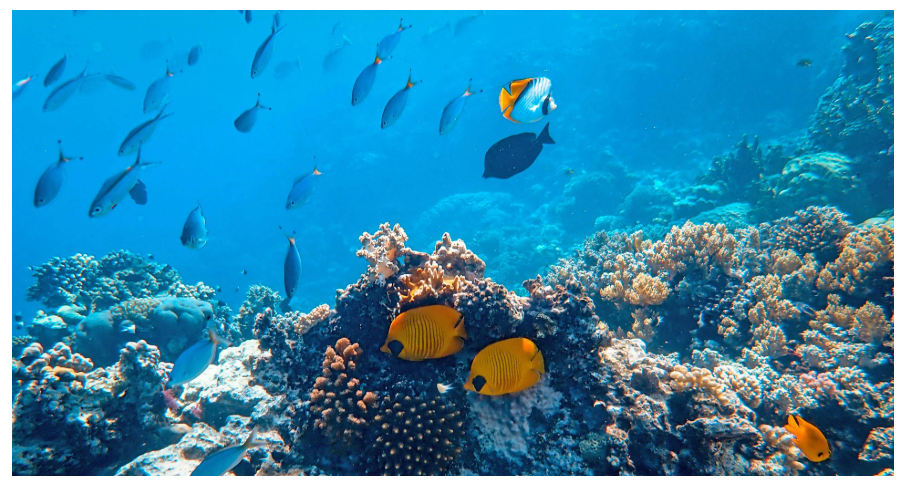
Home to 75% of the World’s Coral Species: The Global Importance of the Coral Triangle and Its Strategic Relevance to CTI-CFF
The Coral Triangle—comprising Indonesia, Malaysia, Papua New Guinea, the Philippines, Solomon Islands, and Timor-Leste—is recognized worldwide as the epicenter of marine biodiversity. The region contains an estimated 75 percent of all known reef-building coral species, reflecting not only its remarkable species richness but also its extraordinary evolutionary significance. Scientific assessments from NOAA, The Nature Conservancy (TNC), the World Wildlife Fund (WWF), and numerous peer-reviewed studies consistently affirm that the Coral Triangle hosts more than 600 species of scleractinian corals. This rich diversity supports intricate ecological networks that sustain fisheries, regional economies, and coastal communities.
As the intergovernmental body mandated to coordinate regional marine governance, the Coral Triangle Initiative on Coral Reefs, Fisheries and Food Security (CTI-CFF) plays a pivotal role in ensuring that these ecosystems remain resilient and sustainably managed. Through the implementation of the Regional Plan of Action 2.0 (2021–2030), CTI-CFF provides a unified platform for regional collaboration grounded in science, policy alignment, and shared responsibility.
Ecological Basis for the Coral Triangle’s Exceptional Coral Diversity
The Coral Triangle’s unparalleled coral richness is shaped by a combination of evolutionary, oceanographic, and environmental factors. Research shows that the region served as a long-term evolutionary refuge, where coral lineages survived and diversified over millions of years. This geological continuity allowed many genera to persist through climatic events that diminished coral populations in other parts of the world.
The region’s strategic location at the convergence of major current systems, particularly the Indonesian Throughflow, further enhances coral diversity. These warm, nutrient-rich waters promote larval dispersal, maintain high recruitment rates, and sustain genetic connectivity across thousands of kilometers. Together with this, the Coral Triangle’s diverse habitats—ranging from volcanic coastlines and deep basins to fringing reefs, atolls, and narrow straits—create numerous ecological niches that support varied coral morphologies and adaptive traits. Long-term climatic stability, especially in sea surface temperatures, has also contributed significantly to the persistence and diversification of coral species throughout the region.
Global Significance of Coral Biodiversity in the Coral Triangle
The Coral Triangle holds immense biological, social, and economic value. Its reefs support more than 600 coral species, over 2,000 species of reef fish, and six of the world’s seven marine turtle species, making it a globally critical center for marine biodiversity. These ecosystems underpin food security and livelihoods for more than 120 million people in the six member countries. Coral reefs provide essential protein sources through artisanal and commercial fisheries, support coastal tourism industries, and contribute substantially to national and regional blue economy growth.
Beyond their economic value, coral reefs serve as vital natural infrastructure. They reduce shoreline erosion, dissipate wave energy, and buffer coastal communities against storms and sea-level rise. These protective functions are increasingly important as climate impacts intensify, emphasizing the irreplaceable role of healthy coral ecosystems in regional climate resilience.
Key Threats to Coral Diversity in the Coral Triangle
Despite its importance, the Coral Triangle faces mounting environmental pressures. Climate-induced bleaching events have grown more frequent and severe, threatening the viability of many coral species. Habitat degradation—driven by destructive fishing methods, illegal practices, coastal development, pollution, and declining water quality—continues to erode reef health. Marine debris, land-based pollution, and unsustainable wildlife trade further compound these ecological stresses. These challenges, identified as priority concerns under CTI-CFF’s RPOA 2.0, highlight the urgency of coordinated regional action.
CTI-CFF’s Role in Strengthening Regional Coral Governance
Coral conservation is embedded at the core of CTI-CFF’s mandate. The RPOA 2.0 outlines key areas of focus that guide regional action:
Goal A: Healthy Ecosystems and Sustainable Marine Resources
Protection of coral reefs, mangroves, and seagrass ecosystems
Strengthening and expanding the Coral Triangle Marine Protected Area System (CTMPAS)
Integrating coral diversity indicators into monitoring frameworks
Goal A also includes conservation of threatened marine species
which supports coral-associated biodiversity through improved habitat protection, monitoring and enforcement, reduction of bycatch, and efforts to combat illegal wildlife trade.
Climate resilience strategies
including ecosystem-based adaptation, vulnerability assessments, and the integration of climate resilience into coastal planning—help member countries address coral bleaching and other climate-driven impacts.
Goal B: Strengthening Coastal Community Resilience
focuses on sustainable fisheries management, community-based approaches, and livelihood diversification. These interventions help reduce pressure on coral ecosystems while improving the well-being of local communities.
Goal C: Effective Governance and Regional Cooperation reinforces collective action through harmonized policies, capacity development, regional data-sharing mechanisms such as the CT Atlas, and science-based decision-making. This governance framework ensures that coral conservation remains central in national and regional planning.
Conclusion
With 75 percent of the world’s coral species, the Coral Triangle stands as the most important marine biodiversity region on Earth. Its ecological richness supports global fisheries, regional food security, climate resilience, and blue economy development. As environmental threats intensify, the role of CTI-CFF becomes increasingly crucial in facilitating coordinated, science-based, and regionally harmonized action.
Through the RPOA 2.0, member countries reaffirm their commitment to safeguarding this globally significant region. Protecting the Coral Triangle means protecting the very foundation of marine biodiversity and ensuring that its benefits continue to sustain future generations.
References
Veron, J.E.N. (2009). Corals of the World and subsequent assessments of global coral diversity.
NOAA Ocean Explorer. “Coral Triangle Biodiversity Overview.” National Oceanic and Atmospheric Administration.
NOAA Coral Reef Conservation Program. “The Coral Triangle: A Global Center of Marine Biodiversity.”
The Nature Conservancy (TNC). “The Coral Triangle Initiative.”
World Wildlife Fund (WWF). “Coral Triangle Program: Biodiversity and Conservation.”
Allen, G. & Werner, T. (2002). “Coral Reef Fish Diversity in the Coral Triangle.”
CTI-CFF (2021–2030). Regional Plan of Action 2.0 (RPOA 2.0).
Burke, L., Reytar, K., Spalding, M., & Perry, A. (2012). Reefs at Risk Revisited. World Resources Institute.
UNEP World Conservation Monitoring Centre (UNEP-WCMC). Global coral reef distribution datasets.