


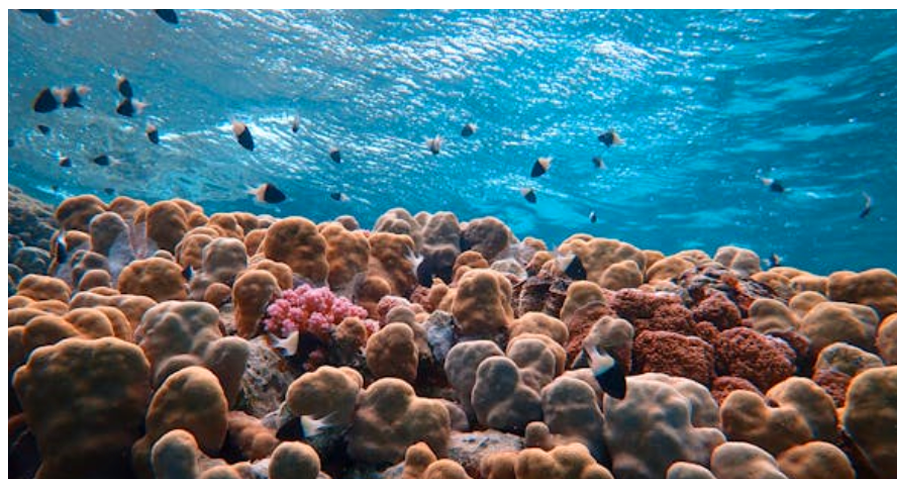
 Nursery Ground for 37% of Global Reef Fish: The Strategic Importance of the Coral Triangle and Its Alignment with CTI-CFF’s Regional Agenda
The Coral Triangle—encompassing Indonesia, Malaysia, Papua New Guinea, the Philippines, Solomon Islands, and Timor-Leste—plays a defining role in sustaining global marine biodiversity. Assessments from the World Resources Institute (WRI), UNEP-WCMC, NOAA, and various peer-reviewed studies consistently demonstrate that this region serves as a critical nursery ground for approximately 37 percent of the world’s coral reef fish species.
This figure underscores the Coral Triangle’s unparalleled ecological significance. Nursery habitats such as mangrove forests, seagrass meadows, shallow coral reefs, and sheltered lagoons provide essential spaces for the early life stages of reef-associated species, supporting survival, growth, and successful recruitment into adult populations. These ecological functions directly reinforce the mission of the Coral Triangle Initiative on Coral Reefs, Fisheries, and Food Security (CTI-CFF), which works to secure sustainable fisheries, food security, and long-term ecosystem resilience for more than 120 million people who depend on these marine resources.
The Coral Triangle as a Global Nursery Ground
The Coral Triangle’s value as a nursery ground lies in the deep ecological connectivity between its coastal habitats. Juvenile reef fish depend on the seamless linkages between mangroves, seagrass systems, nearshore reefs, and lagoonal environments, moving between these habitats as they develop. Because the region hosts some of the world’s most extensive, intact, and diverse combinations of these ecosystems, it supports exceptionally high juvenile survival and recruitment rates.
The region is also home to more than 2,000 reef fish species, including numerous endemic groups and species of high commercial value. Many of these species rely on Coral Triangle habitats during their early life stages, contributing to the estimated 37 percent of global reef fish that originate from or depend on this region. High primary productivity, driven by nutrient-rich currents and warm tropical waters, further strengthens the capacity of these habitats to support abundant juvenile fish populations.
Oceanographic features—especially the Indonesian Throughflow—enable long-distance larval dispersal and facilitate genetic exchange among fish populations across the region and the broader Indo-Pacific. These conditions make the Coral Triangle not only a regional ecological engine, but also a globally influential source of reef fish diversity and resilience.
Global Importance of Nursery Habitats in the Coral Triangle
Nursery habitats in the Coral Triangle play a direct role in sustaining local, national, and regional fisheries. Juvenile fish originating from these ecosystems contribute to artisanal and commercial fisheries across Southeast Asia and the Western Pacific, supporting food supplies and national economies. Millions of coastal households rely on reef fish as a primary source of protein, and the productivity of nursery grounds strongly influences fish biomass, species availability, and the long-term stability of fisheries.
Economically, the fisheries and reef-based industries within Coral Triangle countries generate billions of dollars annually. The health of nursery ecosystems is closely linked to the sustainability of these sectors and to the ecological balance of coral reef systems themselves. Reef fish populations help regulate algal cover, maintain reef structure, and support trophic processes that underpin ecological resilience. Without healthy nursery habitats, reef ecosystems and fisheries productivity would decline significantly.
Threats to Nursery Habitats in the Region
Despite their global importance, nursery habitats in the Coral Triangle face mounting pressures. Mangrove loss, seagrass degradation, destructive fishing practices, sedimentation from watershed runoff, unplanned coastal development, pollution, and climate-driven habitat shifts all pose significant threats. These pressures compromise the survival and development of juvenile fish and weaken the region’s capacity to sustain productive fisheries and resilient ecosystems over time.
Relevance to CTI-CFF’s Regional Plan of Action (RPOA 2.0)
The CTI-CFF’s Regional Plan of Action (RPOA 2.0) explicitly recognizes the importance of nursery grounds within its ecosystem-based approach to marine governance. The alignment can be seen across multiple goals and targets:
Goal A – Healthy Ecosystems and Sustainable Marine Resources
A1: Coral Reefs, Mangroves, and Seagrass
Nursery habitats form the core of this objective. The RPOA 2.0 promotes the expansion of Marine Protected Areas (MPAs), enhancement of the Coral Triangle MPA System (CTMPAS), effective management of critical ecosystems, and strengthened conservation of mangrove and seagrass habitats. Because juvenile fish rely on these habitats for development, their protection is fundamental to achieving Goal A.
A2: Conservation of Threatened Species
Many reef-associated species of ecological and commercial importance depend on nursery habitats during their early life stages. RPOA 2.0 calls for improved habitat protection, reduced over-exploitation, and enhanced monitoring of threatened species, all of which directly benefit from safeguarding nursery ecosystems.
Ecosystem Approach to Fisheries Management (EAFM)
EAFM, a cornerstone of CTI-CFF’s regional work, emphasizes sustainable harvesting, protection of key habitats, reduction of bycatch, and science-based fisheries governance. Effective nursery habitat protection is essential to achieving stock replenishment and recruitment targets—and therefore indispensable to the successful implementation of EAFM across Member Parties.
Goal B – Strengthening Coastal Community Resilience
Healthy nursery ecosystems support stable livelihoods, enable community-based fisheries management, and create opportunities for local economic development. By securing the ecological foundations of fisheries, nursery habitat protection reduces community vulnerability and strengthens long-term food security, aligning with the broader aims of coastal resilience under Goal B.
Goal C – Regional Governance and Coordination
CTI-CFF advances nursery habitat protection through coordinated regional action, shared learning platforms such as the CT Atlas, monitoring and evaluation systems including IPTT and baseline indicators, and harmonized policies developed through Technical Working Groups (TWGs) and National Coordinating Committees (NCCs). Data on nursery habitats, fish recruitment, and ecological trends directly inform regional decision-making processes, ensuring that conservation and fisheries management remain evidence-based and regionally consistent.
Conclusion
As the nursery ground for 37 percent of the world’s reef fish, the Coral Triangle is one of the most critical marine regions on Earth. Its mangroves, seagrass beds, and nearshore coral reefs form the ecological foundation for global biodiversity, regional fisheries productivity, and the livelihoods of millions of people.
The CTI-CFF’s RPOA 2.0 provides a robust framework for safeguarding these essential ecosystems. Through science-based, collaborative, and regionally coordinated actions, Member Parties are working to ensure that the Coral Triangle continues to serve as a global nursery for reef fish, a cornerstone of food security, and a stabilizing force for marine resilience. Protecting these habitats is not only an ecological imperative—it is an investment in the long-term prosperity and stability of the Indo-Pacific region.
References
Burke, L., Reytar, K., Spalding, M., & Perry, A. (2012). Reefs at Risk Revisited. World Resources Institute (WRI).
NOAA Coral Reef Conservation Program. “Reef Fish Biodiversity and Habitat Connectivity.” NOAA.
UNEP-WCMC. Global Coral Reef and Reef Fish Distribution Datasets.
The Nature Conservancy (TNC). “Coral Triangle Bioregional Assessments.”
Allen, G. R., & Werner, T. (2002). “Coral Reef Fish Biodiversity in the Coral Triangle.”
CTI-CFF. Regional Plan of Action 2.0 (2021–2030).
Hughes, T. et al. (2017). “Coral Reefs in the Anthropocene.” Nature and Science related cross-referenced studies on larval dispersal & fish recruitment.
FAO Fisheries & Aquaculture Department. “Ecosystem Approach to Fisheries Management (EAFM)” applied in Coral Triangle regions.