


Objective A: Strengthening the Health and Resilience of Marine and Coastal Ecosystems in the Coral Triangle
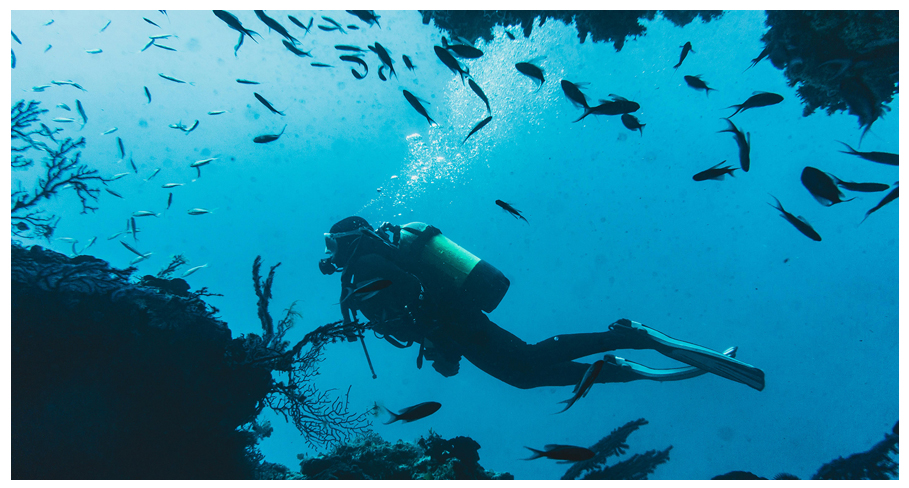 SAs a multilateral initiative representing the six Member Parties—Indonesia, Malaysia, Papua New Guinea, the Philippines, Solomon Islands, and Timor-Leste—the Coral Triangle Initiative on Coral Reefs, Fisheries and Food Security (CTI-CFF) recognizes that the health of marine and coastal ecosystems forms the ecological foundation of sustainability across the region. Through our Regional Plan of Action (RPOA) 2.0, we have established Objective A as a core commitment to ensuring that the region’s ecosystems remain healthy, resilient, and productive for generations to come. Objective A affirms our collective dedication to improving the condition of coral reefs, mangroves, seagrass beds, threatened species, and priority fisheries by the year 2030 through effective and coordinated management actions.
Why Objective A Matters for the Coral Triangle
The Coral Triangle is globally recognized as the epicenter of marine biodiversity. It is home to:
75% of the world’s known coral species
37% of global reef fish species
vast mangrove and seagrass ecosystems that act as natural climate buffers
critical habitat for migratory and threatened species
These ecosystems provide the foundation for food, livelihoods, and coastal protection for over 120 million people living in the region.
However, increasing pressures—such as overfishing, habitat degradation, pollution, and climate change—pose significant risks to the long-term health of these ecosystems. Declining ecosystem function directly affects food security, economic stability, and the well-being of communities throughout the Coral Triangle.
Objective A is therefore essential not only for ecological conservation but also for safeguarding the social and economic future of the region.
Strategic Targets Under Objective A
CTI-CFF operationalizes Objective A through three major targets designed to guide regional action toward 2030.
1. Target A1 — Ecosystems Are Healthy, Climate-Resilient, and Effectively Managed
This target focuses on protecting and restoring coral reefs, mangroves, seagrasses, and other critical marine and coastal ecosystems. Actions under this target include:
expanding and strengthening marine protected areas (MPAs), LMMAs, and OECMs
enhancing management effectiveness using CTMPAS standards
restoring degraded ecosystems and improving ecological connectivity
mainstreaming Ecosystem-Based Adaptation (EbA) into climate response planning
reducing land-based pollution and other threats to ecosystem integrity
Healthy ecosystems form the foundation of sustainable fisheries, coastal protection, and climate resilience across the region.
2. Target A2 — Priority and Threatened Species Are Conserved
The Coral Triangle is home to numerous threatened, migratory, and economically important species, including marine turtles, sharks, rays, and marine mammals.
Target A2 seeks to:
protect critical habitats and migratory corridors
reduce threats related to bycatch, illegal harvest, and wildlife trade
strengthen regional cooperation to combat illegal trade of threatened species
address pollution, including plastic and microplastic contamination
improve research, monitoring, and data sharing across Member Parties
Protecting these species supports ecological balance and reinforces global commitments, including the Convention on Biological Diversity (CBD) and related frameworks.
3. Target A3 — Fisheries Are Healthy, Sustainable, and Productive
Sustainable fisheries are essential for regional food security and economic development.
Target A3 focuses on:
enhancing the Ecosystem Approach to Fisheries Management (EAFM)
improving management of artisanal, commercial, and priority fisheries (tuna, reef fish, neritic species)
strengthening collaboration to address Illegal, Unreported, and Unregulated (IUU) fishing
increasing monitoring, compliance, and enforcement
integrating socio-economic considerations into fisheries governance
Healthy and productive fisheries ensure long-term benefits for coastal communities and Member Parties’ national economies.
How CTI-CFF Supports the Achievement of Objective A
As the regional coordinating body, CTI-CFF facilitates cooperation among Member Parties through four core functions:
1. Policy Coordination and Regional Frameworks
We support the harmonization of national and regional policies through established frameworks such as:
CTI Marine Protected Area System (CTMPAS)
Ecosystem Approach to Fisheries Management (EAFM) Framework
Coral Triangle Marine Debris Prevention Framework
Blue Carbon and coastal resilience strategies
2. Knowledge Sharing and Scientific Collaboration
CTI-CFF strengthens data-driven decision-making through:
CT Atlas
Regional Monitoring and Evaluation (M&E) System
scientific exchanges and regional learning events
3. Capacity Building and Technical Support
We provide training, technical guidance, and cross-country learning to government agencies, communities, and partners.
4. Partnerships and Resource Mobilization
CTI-CFF works with international organizations, academic institutions, NGOs, and development partners to mobilize resources and scale up impactful programs.
Regional Impact of Objective A
Achieving Objective A contributes directly to:
food security for millions of people
sustainable fisheries and economic stability
strengthened climate resilience and coastal protection
preservation of biodiversity and ecosystem services
improved livelihoods and long-term community resilience
Objective A is not only an environmental goal—it is a foundation for social and economic security across the Coral Triangle.
Conclusion
Through the implementation of the RPOA 2.0, CTI-CFF remains committed to leading collective action that strengthens the health of marine and coastal ecosystems across the region.
Objective A serves as the ecological backbone of the initiative, ensuring that the Coral Triangle continues to support biodiversity, economic development, and the well-being of more than 120 million people.
Working together, the CT6 Member Parties are building a resilient and sustainable future for one of the world’s most important marine regions.