


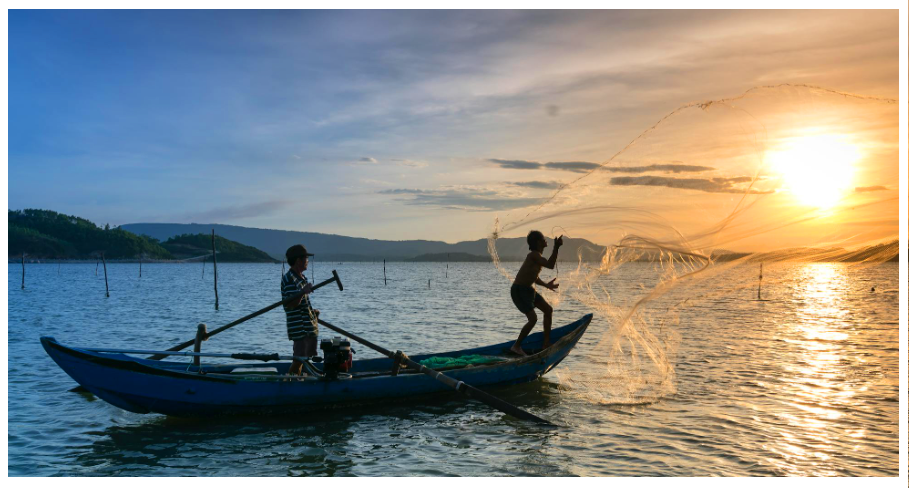
 Supporting the Livelihoods of 120 Million People: The Socioeconomic Importance of the Coral Triangle and Its Relevance to CTI-CFF’s Regional Agenda
The Coral Triangle—spanning Indonesia, Malaysia, Papua New Guinea, the Philippines, Solomon Islands, and Timor-Leste—stands as one of the world’s most socially and economically critical marine regions. Its ecosystems provide the foundation for the livelihoods of an estimated 120 million people, offering essential resources, sustaining household income, supporting national economies, and strengthening climate resilience throughout the region.
These benefits arise from extensive marine assets, including coral reefs, fisheries, mangroves, seagrass beds, and interconnected coastal ecosystems that underpin both subsistence and commercial activities. Livelihoods across the Coral Triangle are deeply tied to these ecosystems, reflected in the diverse sectors they support—from small-scale fisheries and aquaculture to tourism, coastal enterprises, and intricate marine-based value chains.
The Coral Triangle Initiative on Coral Reefs, Fisheries and Food Security (CTI-CFF) plays a central role in safeguarding these socioeconomic benefits, ensuring that the region’s marine resources remain sustainable, equitable, and resilient amid growing pressures.
How the Coral Triangle Supports 120 Million People
Fisheries form the backbone of coastal livelihoods. Approximately 90 percent of fishers in the region rely on small-scale, artisanal fishing activities that provide household nutrition, generate primary income for coastal families, and support employment in processing, transport, and local trade. The Coral Triangle contributes significantly to national fisheries production and bolsters both domestic markets and export industries across Southeast Asia and the Western Pacific.
Marine resources also serve as a primary protein source for millions of people, especially in remote and island communities where alternative foods are limited or costly. Fish and marine products supply essential micronutrients, affordable protein, and dietary diversity, making the health of marine ecosystems directly intertwined with food security across Member Parties.
Tourism and marine-related enterprises further amplify livelihood opportunities. The Coral Triangle hosts several of the world’s most iconic diving and ecotourism destinations, generating income that circulates across hotels, homestays, dive operators, boat services, transportation networks, and local markets. In several Member Parties, these sectors make substantial contributions to national GDP.
At the same time, mangroves, coral reefs, and seagrass meadows provide indispensable ecosystem services, reducing coastal vulnerability by dissipating wave energy, buffering storm surges, stabilizing shorelines, and storing significant amounts of blue carbon. For millions living along vulnerable coasts, these natural protections safeguard homes, infrastructure, and economic activities.
The Coral Triangle is also culturally significant, particularly for indigenous and coastal communities whose traditions, customary fishing practices, and seasonal knowledge systems are deeply connected to marine resources. These cultural relationships continue to influence sustainable resource use and stewardship throughout the region.
Socioeconomic Threats Facing Coral Triangle Communities
Despite its profound importance, the livelihoods of 120 million people are increasingly at risk. Overfishing, declining stocks, coral bleaching, habitat loss, illegal, unreported and unregulated (IUU) fishing, and the growing effects of climate change threaten the availability of marine resources. Pollution, coastal degradation, and unplanned development further undermine ecosystem services and reduce employment opportunities linked to marine environments. These pressures jeopardize income stability, nutritional security, and the overall resilience of communities that rely on ocean-based livelihoods.
Alignment with CTI-CFF’s Regional Plan of Action 2.0
The CTI-CFF Regional Plan of Action 2.0 (2021–2030) directly addresses the social and economic dimensions of marine governance. Its priorities strengthen the systems that support livelihoods and ensure long-term sustainability.
Goal A – Healthy Marine Ecosystems and Sustainable Fisheries
Healthy ecosystems underpin sustainable livelihoods. The CTI-CFF strengthens coral reef protection, mangrove and seagrass conservation, ecosystem restoration, and the reduction of destructive fishing practices. These measures preserve fish biomass and maintain the productivity essential for community well-being.
Ecosystem Approach to Fisheries Management (EAFM)
EAFM is a core pillar that reinforces livelihood security by promoting sustainable harvest levels, reducing bycatch, improving fisheries governance, and enhancing stock replenishment. By integrating ecological, economic, and social considerations, EAFM directly links ecosystem health to community resilience and long-term prosperity.
Goal B – Support for Coastal Community Resilience and Food Security
The CTI-CFF framework places strong emphasis on strengthening the resilience of communities dependent on marine resources. Actions include livelihood diversification, community-based fisheries management, climate-adaptive livelihood planning, and capacity-building initiatives. These efforts reduce vulnerability and improve the ability of communities to adapt to environmental and economic changes.
Goal C – Regional Governance and Collaboration
Strong regional governance enhances socioeconomic stability by harmonizing fisheries policies, enabling data sharing through platforms such as the CT Atlas, supporting monitoring and evaluation mechanisms like IPTT and baselines, and mobilizing partnerships and resources. Science-based cooperation among Member Parties ensures coordinated and effective responses to shared challenges that transcend national boundaries.
The Strategic Importance for Future Generations
Protecting the livelihoods of 120 million people requires safeguarding marine ecosystems, ensuring sustainable fisheries, strengthening community resilience, and fostering inclusive governance. Addressing climate and environmental risks is equally critical for maintaining long-term socioeconomic stability. The CTI-CFF provides a unique multilateral platform for Member Parties to collaborate on these priorities at a regional scale.
By protecting the Coral Triangle’s ecosystems today, the region ensures a secure foundation for food security, economic opportunities, and cultural heritage for future generations.
Conclusion
The Coral Triangle is far more than a biodiversity hotspot—it is a socioeconomic lifeline for millions. Its marine ecosystems support livelihoods, strengthen national economies, provide food security, and offer critical protection from climate-related hazards. Through the implementation of the CTI-CFF Regional Plan of Action 2.0, Member Parties reaffirm their commitment to safeguarding these ecosystems and enhancing the resilience of coastal communities.
Sustainable, inclusive, and coordinated management of marine and coastal resources is essential to ensuring that the Coral Triangle continues to support the livelihoods of 120 million people for decades to come.
References
World Resources Institute (WRI). Reefs at Risk Revisited (2012).
NOAA Coral Reef Conservation Program. “Socioeconomic Value of Coral Reef Ecosystems.”
UNEP-WCMC. Global Distribution of Coral Reefs and Marine-Dependent Population Statistics.
The Nature Conservancy (TNC). “The Coral Triangle: People and Oceans.”
World Wildlife Fund (WWF). “Coral Triangle: Coastal Communities and Livelihood Dependence.”
CTI-CFF Secretariat. Regional Plan of Action 2.0 (2021–2030).
FAO Fisheries Division. “Small-Scale Fisheries in Southeast Asia and the Western Pacific.”
Asian Development Bank (ADB). Sustainable Livelihoods and Coastal Resilience in the Coral Triangle (regional technical studies).
Hughes, T. et al. (2017). Coral Reef Resilience and Community Vulnerability (Science, Nature, and regional journals).