


Uniting the Coral Triangle Through Connected Seascapes
Noro, Western Province, Solomon Islands, 27-29 July 2026 – Conserving the Coral Triangle's globally significant marine ecosystems requires more than national action. Many of the region's most pressing conservation and sustainable development challenges — including the management of shared marine resources, protection of migratory species, marine pollution and climate resilience — extend across national boundaries, making regional cooperation essential to achieving lasting solutions.
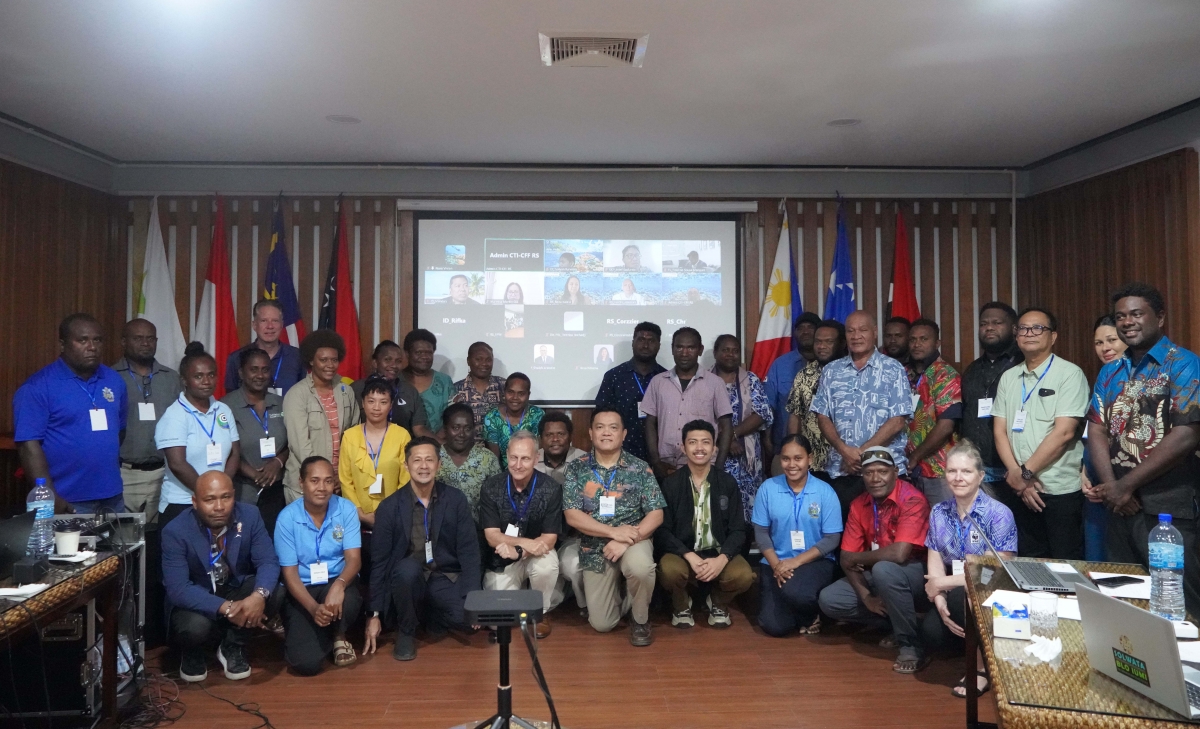
Recognising this, the Coral Triangle Initiative on Coral Reefs, Fisheries and Food Security (CTI-CFF) Regional Secretariat convened the Seascapes Technical Regional Exchange (TREX) from 27–29 July 2026, culminating in the Seascapes Technical Working Group (TWG) Meeting held on 29 July 2026, bringing together representatives from the six CTI-CFF Member Countries, Seascape Focal Points, National Coordinating Committee representatives, technical experts and strategic partners to strengthen collaboration on transboundary seascape management under the Regional Plan of Action (RPOA) 2.0.
At the heart of these discussions were the Coral Triangle's three priority seascapes — the Sulu-Sulawesi Seascape (SSS), Lesser Sunda Seascape (LSS), and Bismarck Solomon Seas Seascape (BSS). These interconnected ecosystems support extraordinary marine biodiversity, productive fisheries and the food security and livelihoods of millions of people. Their ecological connectivity underscores the need for governance approaches that extend beyond national jurisdictions and are supported through sustained regional collaboration.
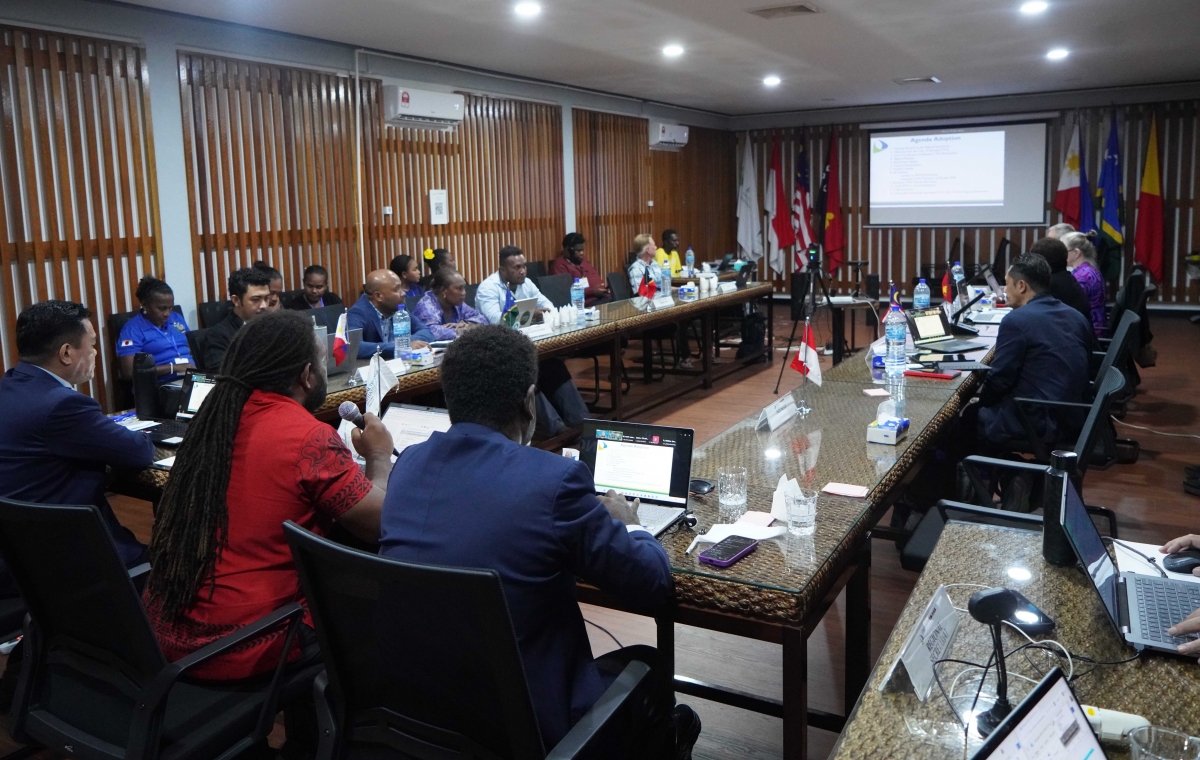
“Our ecosystems are deeply connected, thus to sustain them, our management must also be connected. A seascape approach allows us to align our management efforts across habitats, across jurisdictions and across borders,” said Honourable Wayne Ghemu, MP, Minister of Environment, Climate Change, Disaster Management and Meteorology of Solomon Islands.
In his remarks, Minister Ghemu reaffirmed the Solomon Islands Government's commitment to CTI-CFF, noting that “no one country can achieve this alone” and that the Government stands ready to work with its Coral Triangle neighbours in a spirit of “solidarity, partnership and shared responsibility.” He also highlighted the Government's reforms across its coastal and marine governance systems, including efforts to streamline policies, strengthen legal frameworks and ensure communities and provincial governments are at the centre of ocean management.
"The Coral Triangle's seascapes remind us that marine ecosystems are interconnected, and the challenges they face are shared. Protecting these ecosystems requires collaboration that brings together science, policy and regional partnerships. The CTI-CFF Regional Secretariat continues to support Member Countries in translating our shared commitment under RPOA 2.0 into coordinated action that strengthens ecosystem resilience and benefits the communities that depend on these shared marine resources," said Dr. Frank Keith Griffin, Executive Director of the CTI-CFF Regional Secretariat.
Organised by the CTI-CFF Regional Secretariat in collaboration with the Seascapes Technical Working Group Chair for 2026–2027, Solomon Islands, the programme provided a platform for Seascape Focal Points, National Coordinating Committee representatives, technical experts and strategic partners to exchange experiences, showcase good practices and explore practical solutions to shared conservation challenges.
Technical discussions centred on strengthening governance arrangements for the Seascape Sub-Groups, advancing Marine Spatial Planning, reviewing developments relating to the Biodiversity Beyond National Jurisdiction (BBNJ) Agreement, and supporting regional collaboration on implementing the CTI-CFF Regional Waste Management Strategy. Together, these discussions reinforced the importance of integrated approaches to managing interconnected ecosystems and addressing transboundary conservation challenges.
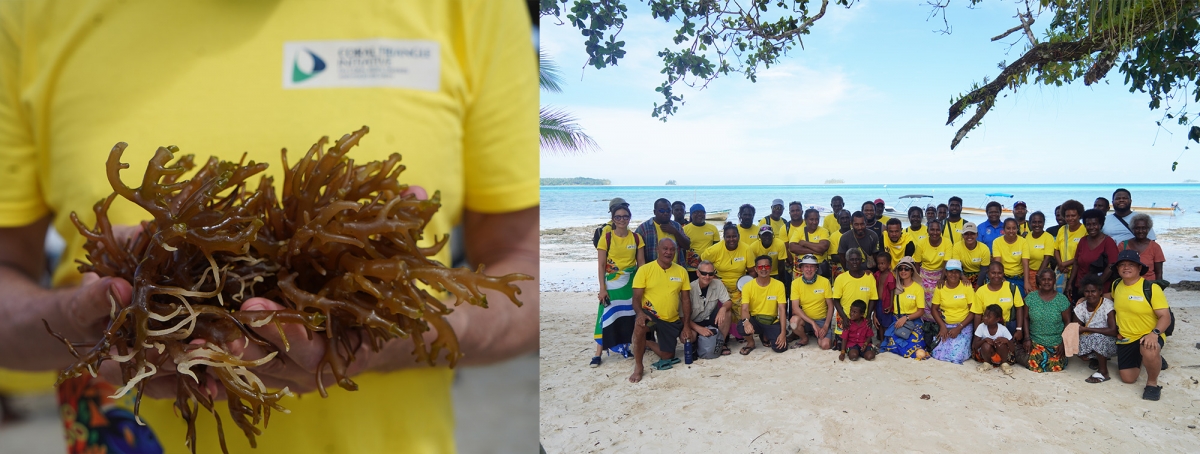
A field visit to locally managed marine areas in Solomon Islands complemented the technical programme by showcasing community-led conservation initiatives and the role of local communities, customary resource owners and provincial government in managing coastal and marine resources.
The Seascapes Technical Working Group Meeting built on these discussions by reviewing progress under the 2026 Work Plan, considered recommendations from the Regional Exchange and identified priorities for continued collaboration among Member Countries and strategic partners in support of RPOA 2.0.
As the coordinating body of the regional partnership, the CTI-CFF Regional Secretariat continues to facilitate dialogue, support National Coordinating Committees, strengthen technical cooperation and bring Member Countries and partners together around shared priorities. By connecting expertise, experience and regional priorities, the Secretariat supports more coordinated action to conserve the Coral Triangle's unique marine ecosystems and promote resilient coastal communities across the region for generations to come.
File attachment: [ENG] PRESS RELEASE - SEASCAPES.pdf.